How Can Peptides Repair Injuries Bulgaria?
In recent years, peptides and compounds have emerged as a significant area of research, particularly for their role in promoting faster recovery and healing from injuries. Peptides are short chains of amino acids that play a vital role in various biological functions, including tissue regeneration and immune system responses.
Bulgaria Clinical studies have increasingly focused on “repair peptides”, a class of peptides specifically studied for their ability to accelerate healing and promote tissue recovery from excessive exercise and injuries. Whilst certain peptides, including BPC-157, TB500, and Ipamorelin, have shown great potential in this area, they have not yet been approved for human consumption.
So, what makes these peptides effective in repairing injuries? This blog from PharmaLabGlobal explores the scientific research behind their method of action and how they may enhance the body’s natural healing processes.
How Repair Peptides Accelerate Tissue Regeneration
When the body sustains an injury, it automatically starts the natural healing process. However, the healing process can often be slow, particularly with severe injuries. Repair peptides, such as BPC-157, TB500, and Ipamorelin, have demonstrated during research to speed up this process by boosting the body’s ability to regenerate tissue.
These particular peptides work by stimulating the production of key proteins and growth factors, improving blood flow to the area of injury, encouraging cell regeneration.
| Peptide | Primary Injury Repair Benefits | Mechanism of Action | Evidence / Notes |
|---|---|---|---|
| BPC-157 | Accelerates healing of muscles, tendons, ligaments, and nerves; improves vascularization; reduces inflammation | Derived from gastric protein; upregulates growth factors (e.g., VEGF), promotes angiogenesis, modulates nitric oxide pathways, protects and repairs endothelium | Strong preclinical evidence in rodent models for tendon, ligament, muscle, nerve, and even gut healing; some anecdotal human reports; orally and injectable forms used |
| TB-500 (Thymosin Beta-4) | Speeds up muscle fibre regeneration, tendon and ligament healing, reduces scar tissue formation | Promotes cell migration, new blood vessel growth, and actin polymerization—critical for tissue regeneration and remodelling | Well-studied in animal models; known to be naturally present in most tissues; supports large-scale tissue repair after trauma or surgery |
| Ipamorelin | Indirectly supports recovery by stimulating growth hormone release; enhances protein synthesis, bone strength, and muscle repair | Selective growth hormone secretagogue; increases GH and IGF-1 without significantly affecting cortisol or prolactin | Human and animal data show improved recovery rates, faster tissue remodelling, and better sleep—important for healing; often stacked with other peptides |
BPC-157: Accelerating Healing Through Angiogenesis
One of the most researched ‘repair peptides’ is BPC -157 (Body Protective Compound-157).
Derived from a natural protein found in the human stomach, BPC-157 has demonstrated a significant ability to enhance the healing of muscles, tendons, ligaments, and even bones.
One of the most remarkable functions of BPC-157 is its ability to stimulate angiogenesis—the formation of new blood vessels. By enhancing blood flow to the injury site, BPC-157 increases oxygen and nutrients necessary for recovery.
In addition to promoting blood flow, BPC-157 also reduces inflammation, which can often slow down the healing process. This anti-inflammatory effect helps reduce pain and swelling, creating an ideal environment for tissue repair. Given these effects, BPC-157 holds great promise for a wide range of injuries, especially those involving the musculoskeletal system.
Discover BPC-157 at Pharma Lab Global , a research peptide known for its potential to accelerate tissue healing and reduce inflammation.
TB500: Promoting Muscle and Tendon Recovery
TB500 has shown significant potential in supporting injury recovery. Whilst the BPC-157 peptide is effective across a wide range of tissues, TB500 has shown to excel in healing muscle tissue and tendon injuries.
TB500 works by regulating actin, a protein essential for cell movement. By encouraging cells to migrate to the site of injury, TB500 aids in the regeneration of damaged tissues.
What makes the TB500 amino acid stand out, is its ability to minimise the formation of scar tissue.
Excessive scar tissue caused by injury can limit flexibility and lead to long-term complications. By reducing scar tissue build-up, TB500 not only speeds up muscle recovery but also helps maintain the injured area’s flexibility and functionality.
These features make TB500 especially beneficial for athletes and anyone recovering from muscle-related injuries.
Explore TB500 at Pharma Lab Global Bulgaria, a peptide designed to promote muscle regeneration and reduce scar tissue formation for faster recovery.
Ipamorelin: Supporting Growth Factors for Faster Recovery
Ipamorelin is a peptide that stimulates the release of growth hormone, which plays a key role in tissue repair and regeneration. Growth hormone is vital for producing growth factors that support cellular regeneration.
Ipamorelin enhances the body’s natural production of these hormones, accelerating recovery by stimulating the healing of muscles, tendons, and connective tissues.
What makes Ipamorelin unique is that it stimulates growth hormone production with fewer side effects compared to other similar peptides. By boosting the body’s natural regenerative processes, Ipamorelin offers a safer and more targeted approach to healing.
This peptide is particularly beneficial for those recovering from injuries that affect the body’s larger muscle groups or soft tissues.
Find Ipamorelin at Pharma Lab Global Bulgaria, a growth hormone-releasing peptide that aids in tissue repair and supports faster injury recovery.
Can Repair Peptides Help with Chronic Injury Recovery?
Chronic injuries, such as long-standing tendon damage or repetitive stress injuries, often don’t respond well to traditional treatments like physical therapy or surgery.
This is where repair peptides like BPC-157, TB500, and Ipamorelin are showing promise. These peptides are being studied for their ability to target the root causes of chronic injuries, stimulate tissue regeneration, and reduce long-term damage.
For example, BPC-157 has been particularly effective in healing chronic tendon injuries, while TB500 may help regenerate muscle tissue that has been weakened by repetitive stress.
Ipamorelin’s ability to stimulate growth hormone production may aid in the overall healing process, providing long-term support for tissues that have been damaged over time. Together, these peptides could offer a more effective and less invasive solution for treating chronic injuries.

The Role of Inflammation in Healing: How Peptides Help Control Swelling
Inflammation is a natural response to injury, but when it becomes chronic or excessive, it can delay the healing process. One of the primary advantages of peptides like BPC-157 and TB500 is their ability to reduce inflammation, thereby improving the healing environment.
By controlling the inflammatory response, these peptides ensure that the body can focus on tissue regeneration without the complications that come from prolonged swelling and pain. For instance, BPC-157 works by modulating inflammatory cytokines—molecules that contribute to inflammation—helping to restore balance and facilitate tissue repair.
TB500, meanwhile, has been shown to alleviate swelling and reduce pain, making it easier for the body to focus on recovery. These anti-inflammatory effects are crucial in speeding up the recovery process, especially for injuries that involve significant swelling or discomfort.
What Does the Future Hold for Peptide-Based Injury Recovery?
As Bulgaria research into peptides like BPC-157, TB500, and Ipamorelin continues, the future of peptide-based treatments in injury recovery looks increasingly promising. While these peptides have shown great potential for accelerating recovery and promoting tissue healing, the field is still in its early stages.
Bulgaria Researchers are actively exploring new peptides that may target specific tissue types, such as cartilage or nerve tissue, for even more effective treatments.
Peptide therapy could soon offer a non-invasive, highly targeted way to treat a wide range of injuries, from muscle strains to more complex injuries like cartilage damage or nerve regeneration. With continued research, peptides could become a standard tool in the treatment and rehabilitation of injuries, changing the way we approach recovery.
Safety Considerations and Regulations of Repair Peptides
Although the potential of repair peptides is exciting, it’s important to remember that these peptides are still primarily used for research purposes. They have not been approved for human use outside of clinical studies, and their safety profiles are still being assessed.
As with any emerging treatment, these peptides must undergo rigorous testing to ensure their safety and efficacy. Researchers and regulatory bodies are actively monitoring peptide use in clinical trials to ensure that these therapies can be used safely and effectively in medical practice.
The continued study of repair peptides will help to refine their application and provide more straightforward guidelines for their future use.
Repair Peptides’ Role in Revolutionizing Injury Recovery
Repair peptides like BPC-157, TB500, and Ipamorelin offer tremendous promise in revolutionizing the way we approach injury recovery. Their ability to accelerate healing, reduce inflammation, and promote tissue regeneration makes them powerful tools for anyone recovering from injuries. Though these peptides are still used primarily in research settings, the results thus far have been incredibly promising.
As research into repair peptides continues, we can expect to see even more specialized peptides that target specific tissues and injuries, further enhancing the ability to recover more quickly and effectively. The future of injury recovery could very well be shaped by the continued development of peptide-based therapies, offering faster, more efficient treatments than ever before.
Explore peptide research Consumables for all your reconstitution requirements.
References:
[1] Chang CH, Tsai WC, Lin MS, Hsu YH, Pang JH. The promoting effect of pentadecapeptide BPC 157 on tendon healing involves tendon outgrowth, cell survival, and cell migration. J Appl Physiol (1985). 2011 Mar;110(3):774-80.
[2] Dubé KN, Smart N. Thymosin β4 and the vasculature: multiple roles in development, repair and protection against disease. Expert Opin Biol Ther. 2018 Jul;18(sup1):131-139.
[3] Teichman SL, Neale A, Lawrence B, Gagnon C, Castaigne JP, Frohman LA. Prolonged stimulation of growth hormone (GH) and insulin-like growth factor I secretion by CJC-1295, a long-acting analog of GH-releasing hormone, in healthy adults. J Clin Endocrinol Metab. 2006 Mar;91(3):799-805.
ALL PRODUCT INFORMATION AND ARTICLES ON THIS SITE ARE FOR EDUCATIONAL PURPOSES ONLY
DISCLAIMER: All products sold by Pharma Lab Global are for research and laboratory use only. These products are not designed for use or consumption by humans or animals. They are not to be classified as a drug, food, cosmetic, or medicinal product and must not be mislabelled or used as such. By purchasing from our Website the buyer accepts and acknowledges the risks involved with handling of these products. All articles and product information provided on this Website are for informational and educational purposes only. Handling and use of these products should be restricted to suitably qualified professionals

-
10% OFF TWIN PACK
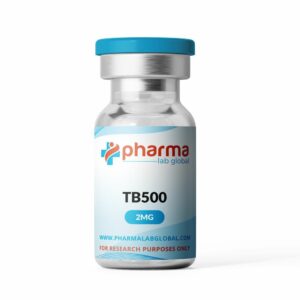
TB500
£14.23 – £94.55Price range: £14.23 through £94.55 Select options This product has multiple variants. The options may be chosen on the product page -
NEW
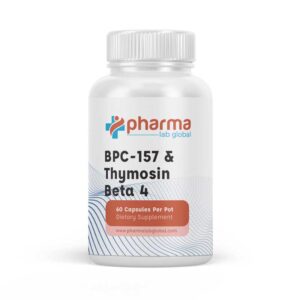
BPC-157 & Thymosin Beta-4 Capsules
£149.69 – £269.44Price range: £149.69 through £269.44 Select options This product has multiple variants. The options may be chosen on the product page -
10% OFF TWIN PACK
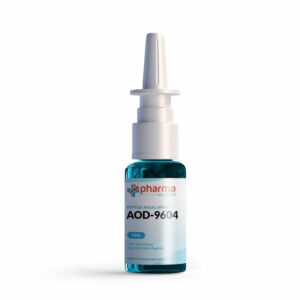
AOD-9604 Nasal Spray
£26.86 – £87.70Price range: £26.86 through £87.70 Select options This product has multiple variants. The options may be chosen on the product page -
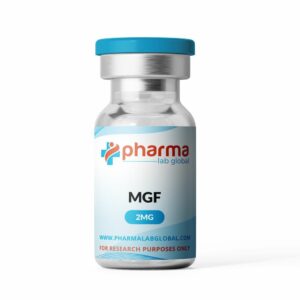
MGF
£17.68 – £26.66Price range: £17.68 through £26.66 Select options This product has multiple variants. The options may be chosen on the product page

![Explore Nootropic Peptides [name] for Brain Health from Pharma Lab Global](https://bulgaria.pharmalabglobal.com/wp-content/uploads/2025/10/Peptides-300x200.webp)
![Explore Narcolepsy Treatment [name] at Pharma Lab Global](https://bulgaria.pharmalabglobal.com/wp-content/uploads/2025/06/Narcolepsy-300x200.webp)